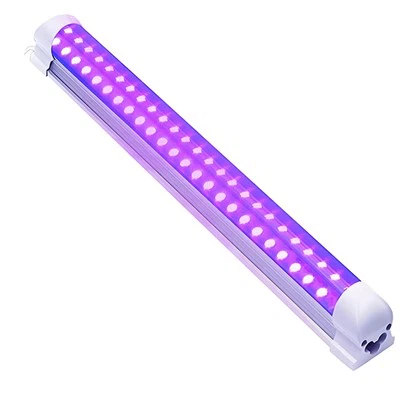
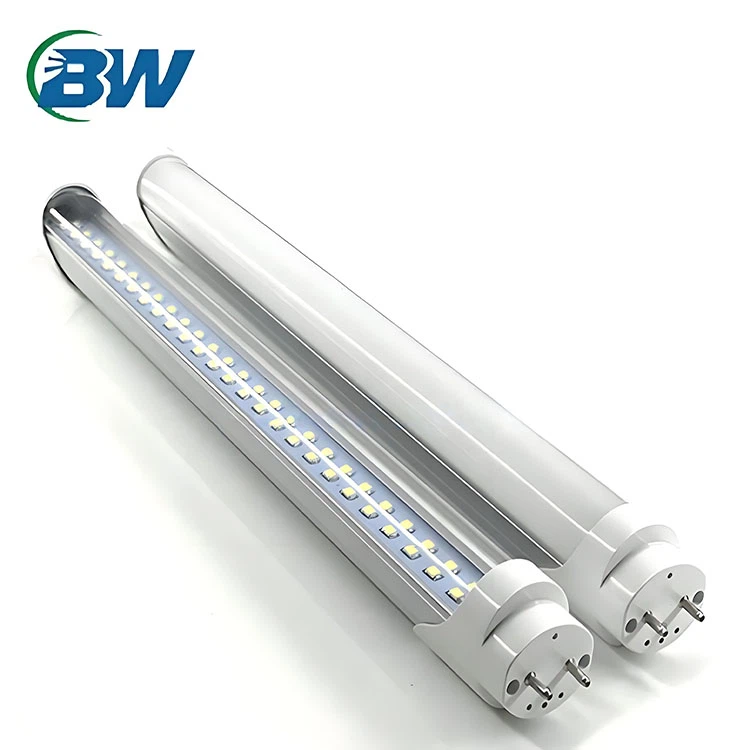
Is this a warm or cold white? When looking for an LED bulb, clients commonly ask us this question.
So, we made the decision to explain this in this article.
Regarding the Kelvin Color Temperature Scale, the terms cool white and warm white are used to describe the color temperature of an LED bulb. A 2700K LED bulb will provide a warm, almost gold light, but a 7000K LED will produce a very chilly white light. In fact, it could seem to have a faint blue hue in certain applications. On the other hand, LEDs with a colour temperature of 4000K or 3500K generate light that is brilliant warm white, while 3000K LED bulbs provide soft warm white light.
This may prompt the natural query: How light is 2700K in comparison to 3500K? maybe in comparison to 4000K?
Putting aside individual preferences, LED bulbs with a color temperature of less than 2700K are often employed in spaces where a strong light is not required, such as a standard accent lamp in a living room whose only function is to provide a gently warm glow. When used in areas of your home where ambience is less crucial, like your dining room, LED bulbs with color temperatures between 2700K and 3500K offer a comforting light. The color temperature begins to approximate natural white when it reaches around 4000K. As a result, task lighting typically utilizes these LED bulbs. You may choose 3500K to 5000K LED bulbs in your kitchen, depending on whether you want warm or cold illumination. However, residences almost seldom, if ever, utilize LED lights with a color temperature of exceeding 5000K.
Well, that's pretty much it in terms of color temperatures. When looking for LEDs, you need be aware of another term called CRI, however.
While LEDs and fluorescent lighting are both more energy-efficient than incandescent bulbs, LED is clearly superior than fluorescent. LEDs utilize 90% less energy than incandescent lights whereas fluorescent lamps use 75% less. Additionally, unlike fluorescent lights, LED lights don't have any mercury residue, which is bad for humans.
In conclusion, LEDs are significantly more cost-effective than fluorescent lights, but keep in mind that not all LEDs are made equal. Some provide light of a higher quality than others.
The CRI gauges how faithfully an LED bulb reproduces colors in comparison to ambient light. The closer the reading is to 100 on a scale of 0 to 100, the better the light quality.
Opt for LEDs with a CRI value of 90 or above if you want them to generate balanced light. If the CRI is less than 90+, the quality of the light will be compromised.
We exclusively provide CRI90+ LED bulbs at LiquidLEDs because we want you and your family to have the finest possible LED lighting experience.